


Throughout my career, I have seen so many eLearning modules that have content-heavy screens and 'tick-the-box' experiences that learners needed to click through for compliance purposes. Little or no attention is given to engagement or understanding. I want to create learning materials that go beyond the read-and-forget model.
With the motivation to understand how we learn, and the experience I have in learning and development, human resources, operations and project management along with the real-world problems I faced in these roles, my instructional design journey began. I knew I had the opportunity to apply my understanding of solution design and generate learning experiences aligned with business goals.

The role requirements for the job of an instructional designer shift according to changes in organisational context, external pressures and learning contexts. I stay current with industry trends and my love of learning ensures I am continuously enhancing my skills and professional development. The following abilities make me stand out as an instructional designer.
I took a UI and UX Design course through RMIT to enhance my skills because I wanted to understand how learners interact with digital spaces and how well designed digital spaces can improve usability, accessibility and engagement. The methods I use in my learning design are both intuitive and purposeful, with the goal to match how the learner thinks and behaves.
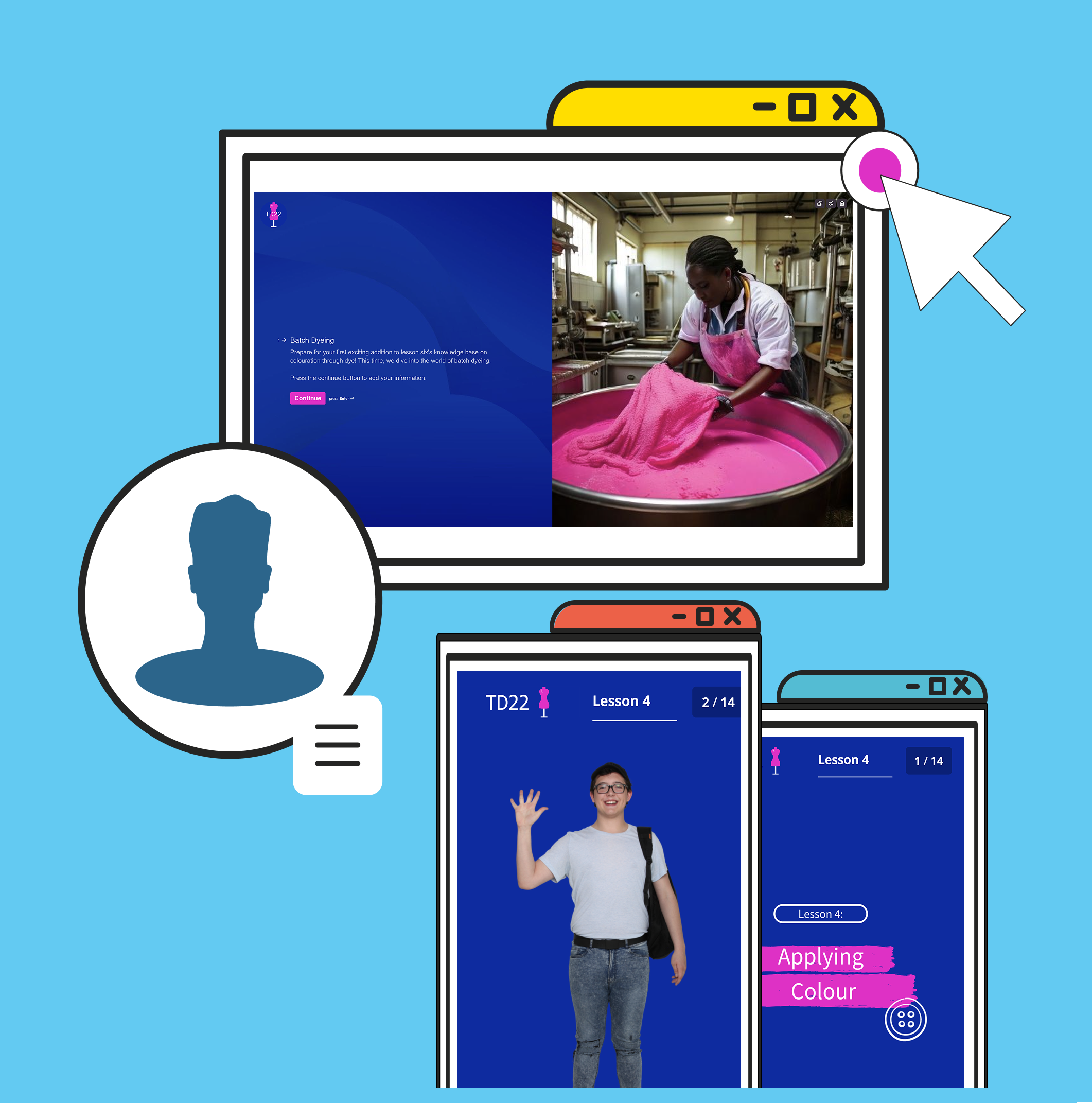
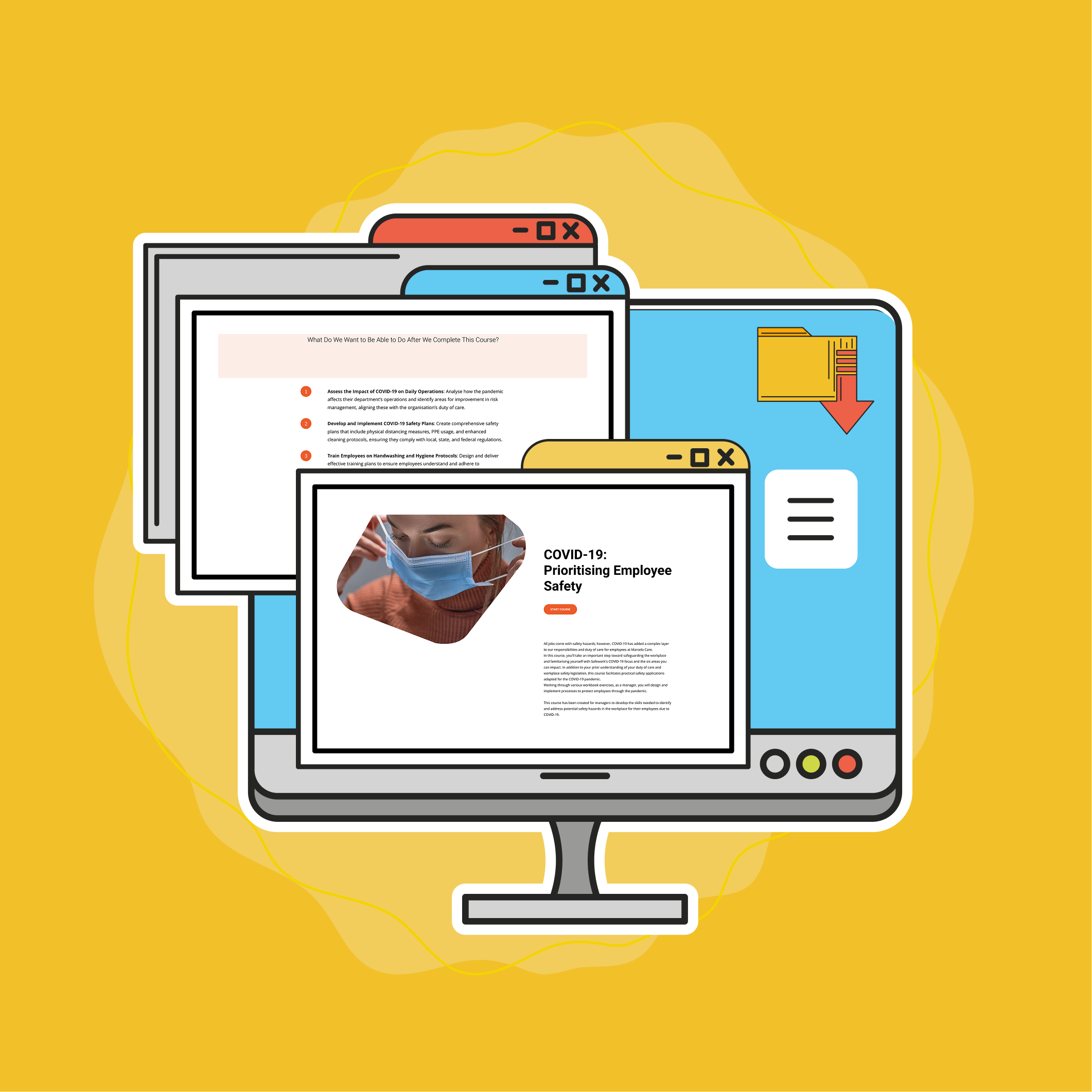
Basing my approach on real-world applicability through scenario-based learning, interactive activites and purposeful assessment to create meaningful learner connections. Every interaction is designed and developed with purpose rather than mere content production, with visual elements and scenarios to help the learner connect with the material while guiding them through decisions and enabling them to use their learned knowledge on real world tasks.
My business experience enables me to establish learning content and systems which produce data such as quiz results, engagement metrics and xAPI statements. These metrics assist with project evaluation effectiveness and allow for strategic design-based outcome decisions.

.png)

.png)
.png)
.png)