Instructional Design
Textiles and Design 2022
Client
Snowflake
Year 12 NSW HSC High School Parent and Student Group
Collaborators
Ann-Marie Gregory
Instructional Designer
Malorie Edmund
Project Manager
Time in Design and Development
2022
February-June
Tools Used
💻 EdApp
📋 Typeform
🗂️ Google Documents
💡 Google Slides
🖼️ Canva
📈 Airtable

Project Background and Problem Context
Textiles and Design is a two-year higher school education Stage 6 subject in the NSW (New South Wales, Australia) core HSC (Higher School Certificate) curriculum. The subject allows final-year students to learn about design, including fabric coloration, historical design, cultural design factors, and contemporary designers. It investigates the use of textiles in society, and students develop knowledge, skills, and values that they can apply to daily life.
The 2022 group of students in the TD22 subject have learning difficulties. Several learners have ADHD, anxiety, and dyslexia. These learning difficulties make the retention of information a challenge due to the reduced working memory. This reduced capacity to retain information also makes the theory exam a challenge. The current method of learning the theory is from a textbook with the teacher reading out paragraphs each lesson, or the student completing self-directed reading.
Who Is This Course Designed For?
Year 12 NSW HSC Textile and Design students. Several students have learning difficulties with reading, remembering, and processing. The students are very creative, tech-savvy and enjoy understanding the why behind a problem. The HSC curriculum has been scaffolded as a support mechanism for this select group; the learners find this method frustrating and stifles their creativity.
What Challenges is the Project Trying to Solve?
Solution Journey
The goal of the course was to improve the student's understanding of the uses of fibres, fabrics, and yarns and how these can be applied to end uses for all students and to help them retain this content. The ADDIE instructional design model was chosen as the framework for the TD22 project because of its systematic and structured approach, and the ability to align the NSW core curriculum with TD22’s learning objectives.
🔎 In the analysis phase, the learners, their challenges and difficulties are understood as well as the content demands of the Textile and Design curriculum. This is the phase in which the EdApp program was chosen, with key features of micro-learning, accessibility, content on the go and spaced repetition to enhance retention.
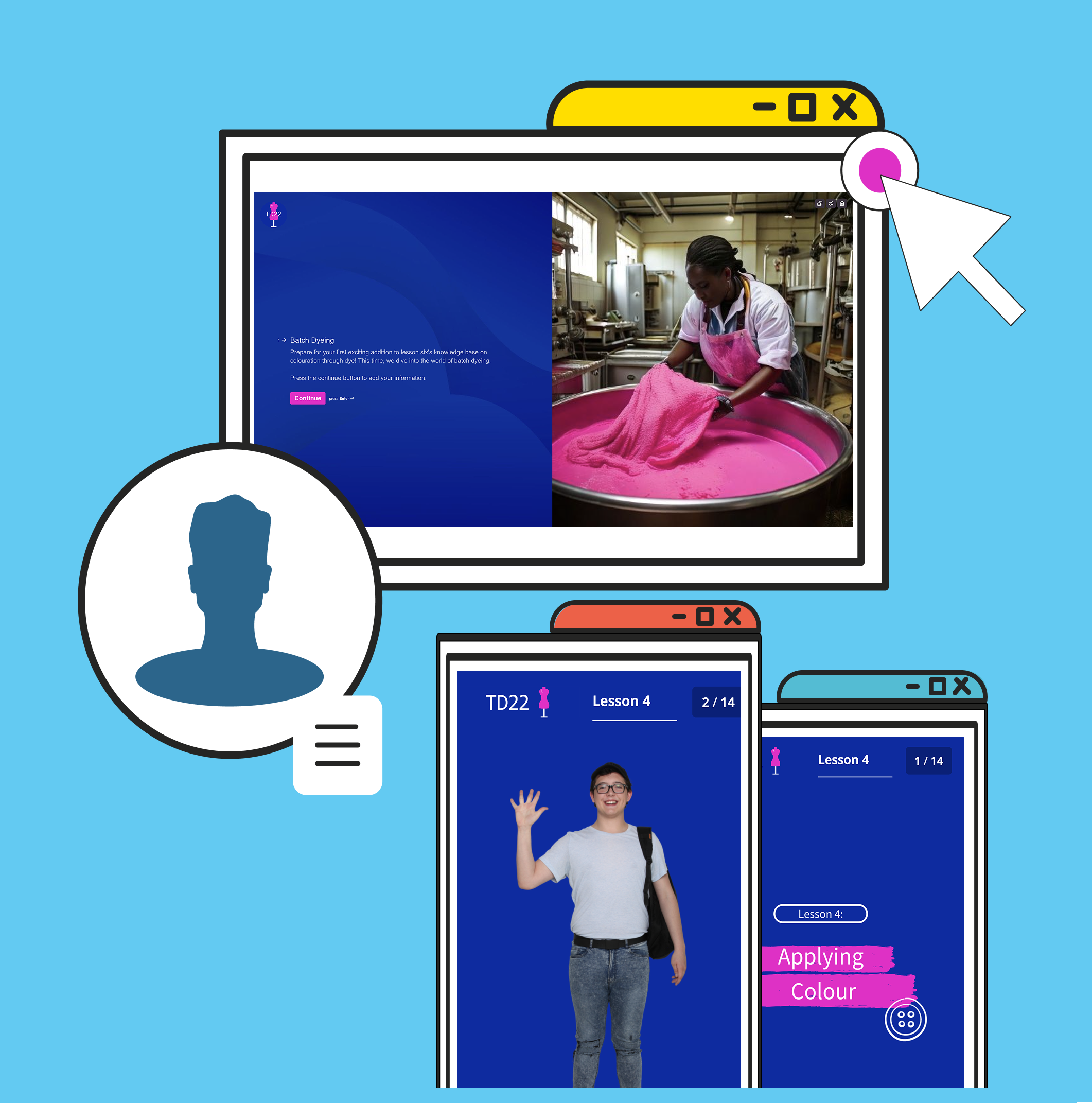
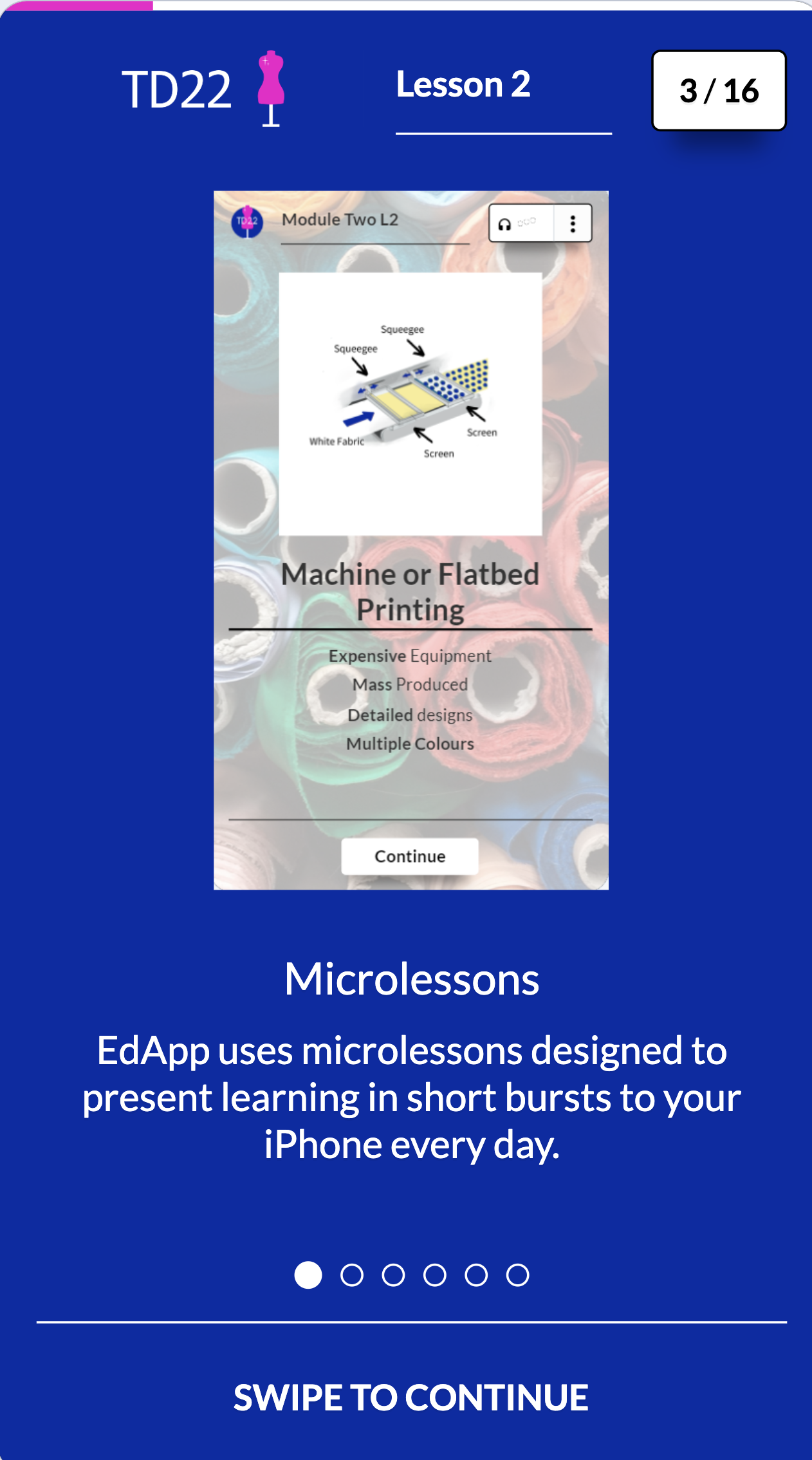
💡 The design phase, utilises the information from the analysis phase and ensures the content is creative, interactive and scaffolded for the learners. The content is broken down into chunks (EdApp micro-learning lessons) and distributed to the learners on a daily schedule to their mobile phones. The micro-lessons also have audio content for the learners who have difficulty reading large chunks of text at a time.
🖥️ In the development phase, content creation is aligned with the learner's needs and a variety of different multi-media elements to appeal to different preferences (visual and auditory) and at the learner’s individual pace.
🎯 The implementation phase, provides a framework for the learners to interact with the content in an accessible and supportive environment.
📝 During the evaluation phase, the analytics from EdApp can monitor the progress of the learner and adjust the spaced repetition schedules accordingly. This is a key feature of the EdApp program and the main reason for choosing this program to deliver TD22 content.
Design and Development
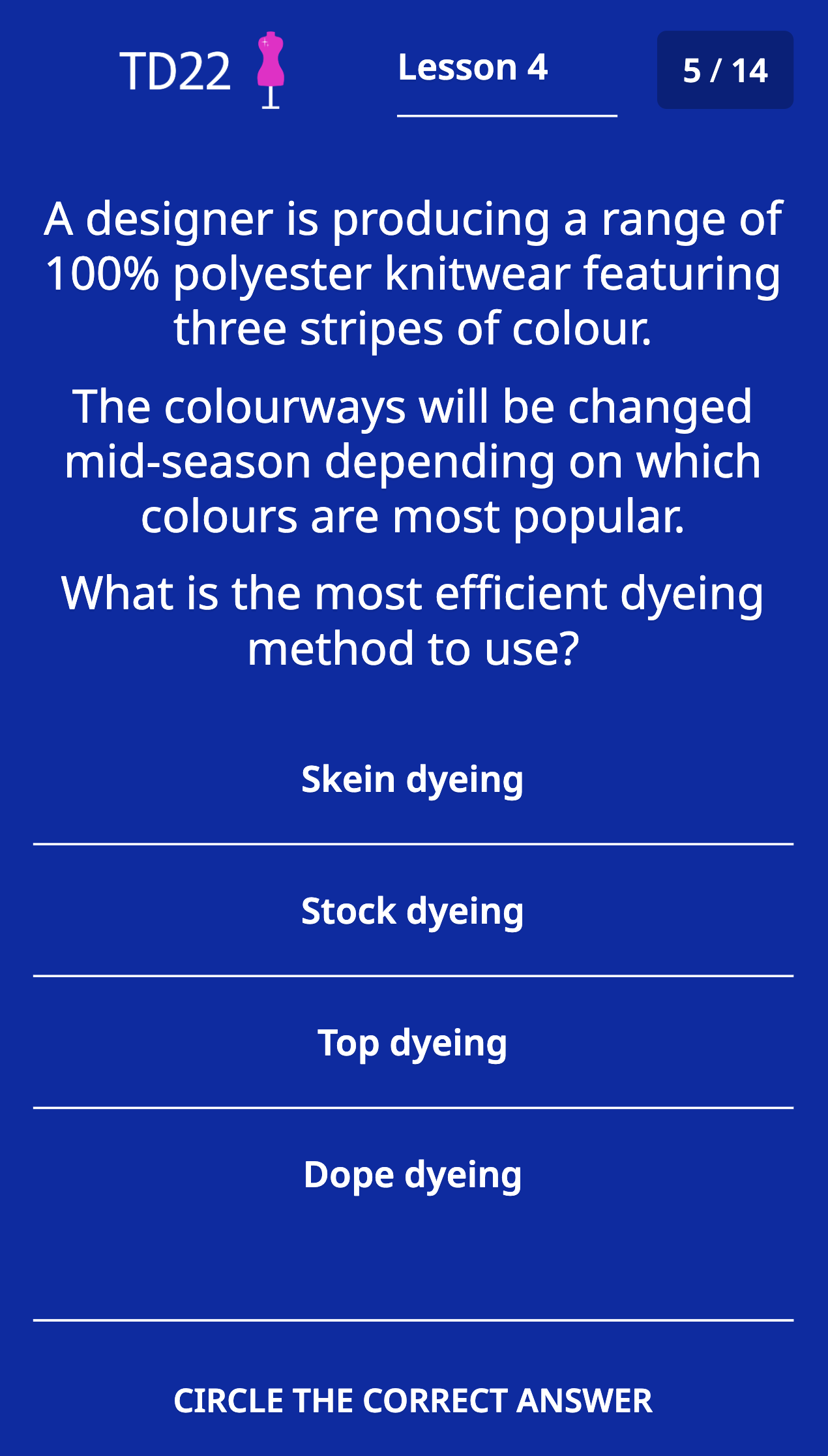
Bloom's Taxonomy and the ADDIE instructional design models served as the guiding frameworks. The ADDIE model provided a valuable structure for designing the TD22 course which supported the development of higher-order thinking and competencies. The analysis phase allowed for the indentification of the Year 12 learners technical skills and proficiency in digital technology so that the microlearning lessons were easy to navigate and did not add to cognitive load. Audio and video multi-media was incorporated into the EdApp modules to make the content engaging and appeal to a tech-savvy audience. The learning progression advanced from foundational knowledge to assessment in comprehension of content and application through statement matching activities. Each module contained formative assessment knowledge checks. The micro-learning platform delivers rapid refresh quizzes together with brain boost excercises according to a spaced learning schedule, directly to the learners phone. These two mechanisms provided personalised learning opportunities for each learner and adapted the content sent to the phone according to how the learner had previously answered the content.
Challenges and Hurdles
Content Issues: Numerous students have encountered e-learning modules in the past that failed to captivate their interest or provide a sense of relevance to them. The learners often struggle with the learning process as it involves incorporating material into their packed schedule, resulting in some viewing e-learning as a waste of time or unproductive. The TD22 project strives to emphasise integrating concepts into activities that learners can connect with and appreciate the significance of the content. It provides content updates to make learning feel less like an extra chore, for students who are eager to excel in Textiles and Design (TD22) theory exam. The program aims to leverage this motivation by fostering learning and teamwork while engaging learners in hands-on tasks that demonstrate the relevance of the program to their achievements and goals.
Schedule Constraints: The learners are scheduled on different subject timetables and come together daily for the textiles and design class. The teacher is under immense pressure to complete the necessary tasks in class to ensure the learner completes curriculum requirements and reads through the text in time for the examination; there is no additional in-class time for activities or interactive content. Therefore, the most appropriate modality would be a self-paced E-learning course outside class time with the opportunity to extend the learning for group collaboration and social learning through interactive elements within the program.
Technical Constraints: Training materials will be uploaded to the EdApp LMS. Learners can access them on phones or their school PCs. Workbooks will be provided during class and returned at the end of the program for the teacher to assess. The program will be free to the students and has been provided for through the Snowflake group funding.
Project Goals
The formative course evaluation, which included asking questions and making observations throughout the program, was successful. The knowledge checks, brain boost, and rapid recall results analysed through the EdApp platform were useful in enhancing the project and understanding how different aspects were working or if adjustments were needed. Learner feedback in the TD22 program was very positive, and they felt that the program helped their knowledge retention. Overall the course design yielded improvements in quiz results and the learner's confidence going into the final theory exam.
Deliverables
The course content includes an introduction and lesson on how to use EdApp, six lessons on colouring textiles and a summary lesson.
Course Preview
Click on the button below to be redirected to the course preview.
Project Typeform
The collaborative knowledge building theory of TD22 shifts it's focus from personal comprehension toward group interaction. Students leverage their digital abilities to provide assistance to peers. The EdApp program features simple Typeform forms as a mode for the learners to upload content and provide additional research findings on the content they have contributed. You can view an example of a Typeform form used in TD22 by accessing the link provided below.